No-Socks Rule Explained: When to Go Sockless (Safely)
What is the no-socks rule?
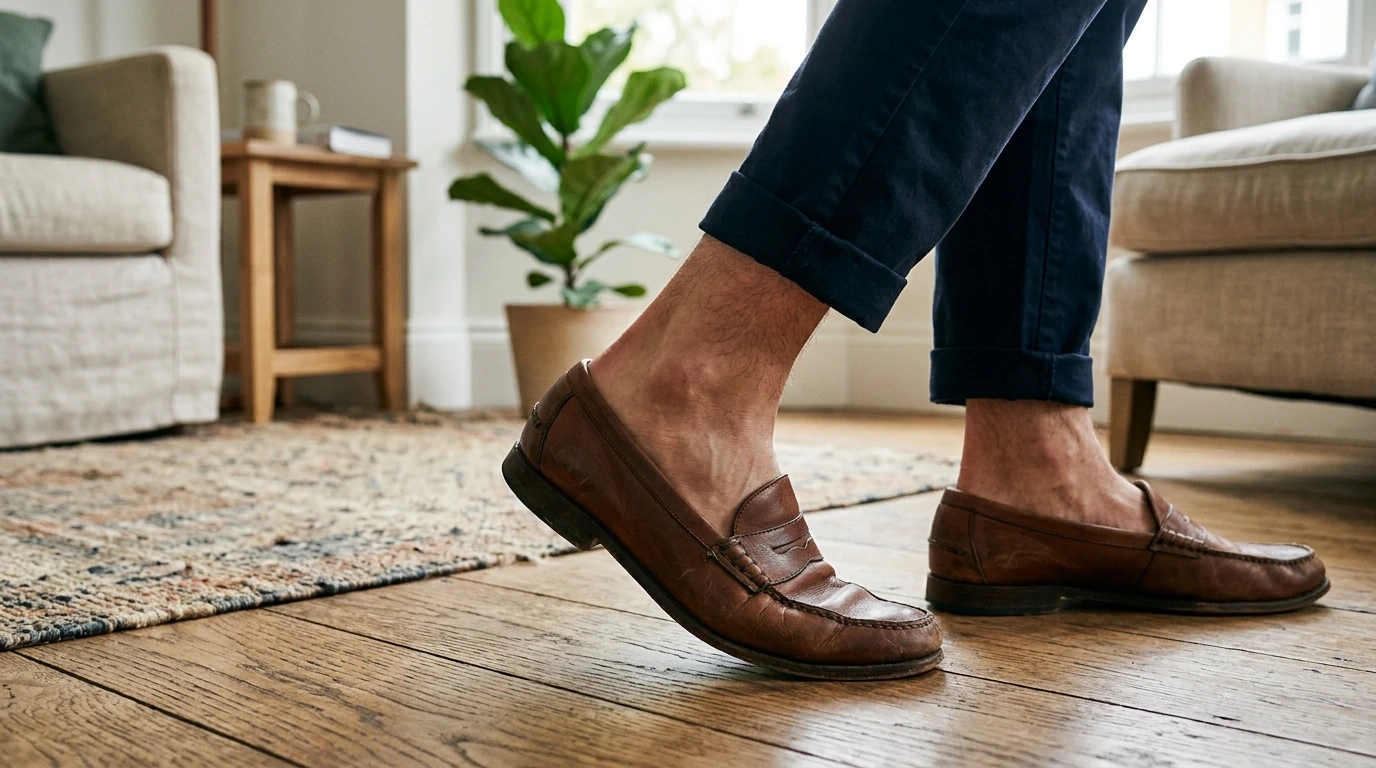
The “no-socks rule” is a style guideline that says you should skip visible socks with certain outfits—most commonly with warm-weather or dress-casual looks like shorts, cropped pants, or tailored trousers paired with loafers, boat shoes, or low-profile sneakers. The goal is to keep the leg line clean and make the outfit feel lighter, sharper, and more intentional.
In practice, the rule rarely means going truly barefoot. Instead, it usually means wearing no-show socks (sometimes called invisible socks) so you get the look of bare ankles without the downsides. Going sockless can lead to blisters, odor, and faster wear inside your shoes, especially with leather or unlined footwear. No-show socks help manage sweat and friction while staying hidden.
When the no-socks rule makes sense
It works best in situations where a visible sock would look heavy or break up the outfit: summer outfits, smart-casual settings, and minimalist looks. It’s also common with loafers and slip-ons, where a traditional crew sock can feel out of place.
When to ignore it
Skip the rule when warmth, comfort, or formality matter more than the ankle-baring aesthetic. Boots, cold weather, long days on your feet, and more formal business looks often benefit from proper socks that match the occasion and provide cushioning and moisture control.
How to do it well
Choose no-show socks that fit snugly (to prevent heel slip), match your skin tone or shoe opening, and have enough grip to stay put. If you’re unsure which styles and materials work best for your shoes, see this guide: https://ruleno.com/guide-perfect-socks-made-simple-lengths-materials-fit/.
For No-Socks Rule Explained: When to Go Sockless (Safely), the best answer depends on fit, material, care instructions, and how the product will be used day to day.
FAQ
Are no-show socks better than going truly sockless?
Yes—no-show socks usually give the same “no socks” appearance while reducing blisters, odor, and interior shoe wear. They’re especially helpful with leather shoes and low-cut sneakers.










Leave a comment