21-Inch Push Lawn Sweeper: Quiet Leaf Pickup, Big Hopper
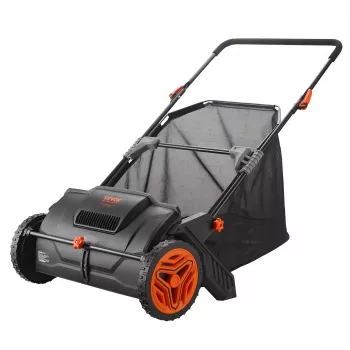
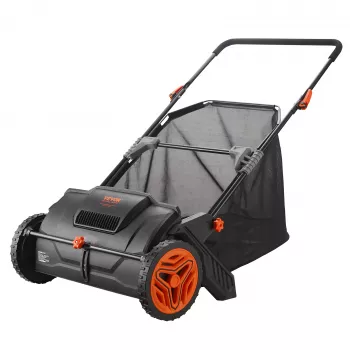
21-Inch Push Lawn Sweeper with Large Hopper Bag for Leaves & Grass
A push lawn sweeper offers a quiet, no-fuel way to pick up dry leaves, grass clippings, and light debris from lawns and hard surfaces. With a wide 21-inch path and a large hopper bag, it can reduce raking time while keeping yard cleanup simple and low-maintenance.
What a push lawn sweeper does (and what it doesn’t)
A push sweeper relies on rotating brushes powered by your forward motion. As you walk, the brushes flick loose debris upward and back into a rear hopper bag, keeping the pickup mechanical and straightforward.
- Uses rotating brushes and forward motion to lift dry leaves, grass clippings, and small twigs into a rear hopper bag.
- Works best on flat or gently sloped lawns and smooth driveways/patios; performance drops on deep ruts, thick thatch, or muddy ground.
- Not a vacuum or shredder: it collects rather than mulches, and it won’t pull up wet, matted leaves the way a powered vacuum might.
- Ideal for frequent light cleanups (after mowing or windy days) to prevent buildup and keep drains and walkways clearer.
Key features of the 21-inch sweeper with hopper bag
For homeowners who want faster coverage without engine noise, a 21-inch push sweeper hits a practical middle ground: wide enough for efficient passes, but still easy to maneuver around trees, beds, and patio furniture.
- 21-inch sweeping width to cover more ground per pass for medium-to-large yards.
- Large hopper bag to hold more debris before emptying, reducing stop-and-go interruptions.
- Push-powered operation for quiet cleanup without cords, fuel mixing, or charging.
- Designed for leaves and grass; also suitable for light debris like small seed pods and thin pine needles (best when dry).
At-a-glance specs and practical impact
| Feature | Why it matters during cleanup |
|---|---|
| 21-inch sweep path | Fewer passes across the lawn, faster pickup on open areas |
| Large hopper bag | Less frequent dumping; helpful during peak leaf drop |
| Push operation | No engine noise or exhaust; ready to use anytime |
| Brush-driven collection | Good for dry surface debris; less effective on wet, stuck-down leaves |
Where it performs best: lawns, patios, and driveways
A push sweeper is most satisfying when used as a “keep-it-clean” tool rather than a once-a-season rescue mission. A quick pass after mowing or a windy day can prevent leaf mats and keep hard surfaces safer and tidier.
- Short-to-medium grass: pick up clippings after mowing to reduce tracking into the house and keep lawns looking tidy.
- Dry leaf cleanup: collect leaves before they mat down, which can block sunlight and contribute to thin spots over time.
- Hard surfaces: sweep up leaves from patios, walkways, and driveways without blowing debris into neighbors’ yards.
- Edge strategy: start along fences and landscaping borders, then work inward in overlapping lanes to avoid scatter.
If composting is part of your routine, dry leaves and grass clippings can be valuable inputs when handled properly. For practical basics on yard trimmings and composting, see the U.S. Environmental Protection Agency’s composting overview and Cornell Cooperative Extension guidance on composting leaves.
Setup and adjustment tips for better pickup
Small adjustments make a big difference with brush sweepers. Dialing in height, pace, and pass pattern helps the brushes lift debris cleanly without pushing it forward or leaving “strings” of leaves behind.
- Brush height: set low enough to flick debris up, but not so low that brushes scrape aggressively or stall on uneven areas.
- Speed matters: a steady walking pace often lifts more debris than very slow pushing; too fast can cause spillback.
- Condition of debris: sweep when leaves are dry; morning dew and damp piles reduce pickup and can clog the hopper.
- Lane overlap: overlap each pass slightly to catch the edge line of debris that brushes can flick sideways.
Using the hopper bag efficiently
The hopper bag is what turns sweeping into a one-person collection system. Managing fill level and dumping routine keeps the tool feeling light and consistent throughout the job.
- Empty before it’s packed tight: an overfilled bag can reduce airflow and limit how well debris settles into the hopper.
- Dump into yard bags, compost areas, or leaf bins; keep a tarp nearby to consolidate piles quickly.
- If collecting grass clippings, empty more often to avoid heavy, compacted loads that are harder to tip out.
- After damp conditions, allow the bag to dry to prevent odors and extend fabric life.
Maintenance and storage for season-long reliability
Push sweepers are low-maintenance, but they do appreciate quick after-use care. A few minutes of cleanup and inspection helps the brushes spin freely and keeps the hopper material in good shape.
When a push sweeper is the right choice (and when it isn’t)
Product option
More in-stock picks
- AI-Powered Products Made Simple: The Ultimate Guide on How to Use ChatGPT to Create Digital Products, eBooks, Checklists, and More
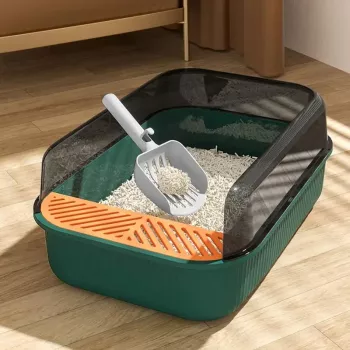
- Large Capacity Semi-Closed Cat Litter Box with High Sides & Scoop
FAQ
Will a push lawn sweeper pick up wet leaves?
It works best on dry leaves. Wet leaves tend to mat down and get heavier, which reduces how well the brushes can lift them into the hopper; for soaked piles, wait for drying or use a rake or blower first.
Can it be used on driveways and patios?
Yes—on smooth hard surfaces it can collect leaves and other light debris effectively. Avoid sweeping up stones, gravel, or large twigs, since they can jam the brushes or reduce pickup.
How often should the hopper bag be emptied?
Emptying when the bag is about half to two-thirds full usually keeps collection strong and makes dumping easier. For grass clippings, empty more frequently to prevent compaction and heavy loads.









Leave a comment