Pocket-Size 20W GaN USB-C Charger + Cable Guide
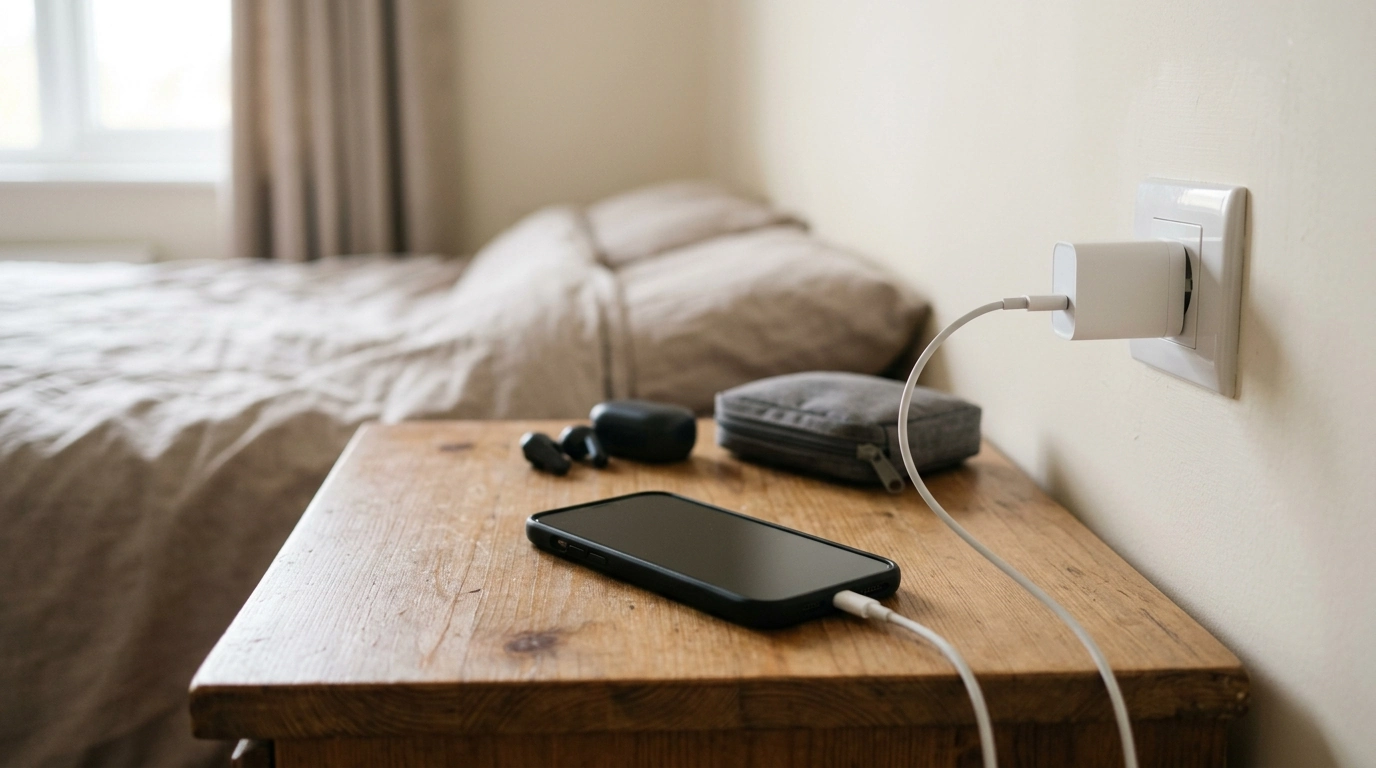
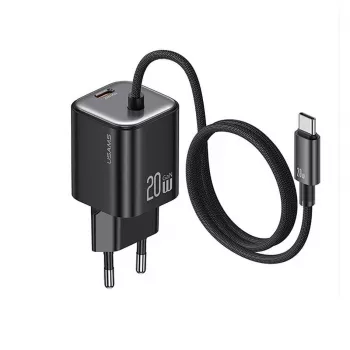
20W Mini GaN Fast Charger with USB‑C Cable: Small Plug, Big Convenience
A compact 20W GaN wall charger can simplify daily charging by delivering fast, efficient power through USB‑C while staying small enough for a pocket or travel bag. The sweet spot with 20W is practicality: quick top-ups, easy packing, and dependable charging for the devices most people reach for all day. Below is what a 20W GaN charger does best, how it behaves with different devices, and how to use the included USB‑C cable for stable, safe charging.
What a 20W GaN charger is designed to do
A 20W USB‑C charger is built for fast, single-device charging without the size and weight of larger multi-port bricks. It’s an ideal daily driver when you want one compact plug that can power a phone, earbuds, or a small tablet efficiently.
- Delivers up to 20W over USB‑C for phones, earbuds, small tablets, and accessories that support fast charging.
- Uses GaN (gallium nitride) components to help keep the charger compact while maintaining efficiency.
- Best for single-device charging sessions where speed and portability matter more than multi-port convenience.
Where 20W charging makes the biggest difference
The jump from older 5W–12W adapters to a 20W USB‑C charger is most noticeable on modern smartphones that support fast charging. You’ll typically see the biggest gains early in the charge, when the battery is low and the phone can safely accept more power.
- Modern smartphones that support USB‑C Power Delivery can often charge noticeably faster than with 5W–12W adapters.
- Great for “top-up” charging: short sessions that add meaningful battery percentage before heading out.
- Useful for travel and commuting because it replaces bulkier adapters and can pair with USB‑C cables already used for other devices.
Typical fit for a 20W USB‑C charger
| Device type | Typical max wired input | What a 20W charger usually provides | Notes |
|---|---|---|---|
| Smartphones (USB‑C PD capable) | 18–27W (varies) | Fast charging up to the phone’s supported limit (often near 20W) | Charging rate may slow after ~50–70% to protect battery health |
| iPhone (USB‑C to Lightning cable required) | 20–27W (varies by model) | Fast charging commonly supported around 20W | Requires a certified USB‑C to Lightning cable; USB‑C to USB‑C won’t plug into Lightning |
| Small tablets / iPad models | 20–30W (varies) | Solid everyday charging; may be slower than higher-watt adapters | Good for overnight or desk charging |
| Wireless earbud cases / wearables | 5–10W (varies) | Charges at the accessory’s limited rate | Safe to use; device controls its intake |
| Power banks (USB‑C input) | 10–30W (varies) | Moderate refills; speed depends on power bank’s input spec | Check the power bank’s USB‑C input rating for best results |
Compatibility basics: USB‑C, Power Delivery, and cables
USB‑C describes the connector shape, not the charging speed. Fast charging depends on the protocol used between the charger and your device. Many current phones and tablets rely on USB Power Delivery (USB‑PD) to negotiate higher power levels over USB‑C.
- USB‑C is the connector shape; fast charging depends on the charging protocol supported by both the charger and the device.
- Many phones and tablets use USB Power Delivery (USB‑PD) for fast charging over USB‑C.
- Cable matters: for USB‑C to USB‑C charging, a quality cable supports stable power delivery; for iPhones with Lightning, a USB‑C to Lightning cable is required.
- Some devices charge, but not “fast,” if they use a different standard or cap their intake for thermal/battery reasons.
For deeper technical detail on how devices negotiate charging profiles, the USB Power Delivery specification is the authoritative reference. For iPhone fast-charging expectations, Apple’s guidance is also helpful: Fast charging your iPhone.
Size, heat, and safety expectations
Compact fast chargers can run warm, especially during the first half of a fast charge. Warmth is normal; uncomfortable heat or a burning smell is not and should be treated as a sign to stop and inspect your setup.
How to use the included USB‑C cable for best results
Who this compact charger is best for
Product snapshot
- Product: 20W Mini GaN Fast Charger with USB‑C Cable
- Availability: in stock
- Ideal use: fast charging for compatible phones and small devices via USB‑C
- Price: $46.51 USD
More in-stock picks
- AI-Powered Products Made Simple: The Ultimate Guide on How to Use ChatGPT to Create Digital Products, eBooks, Checklists, and More
- Personalized Gold-Plated Alphabet Rings
- Large Capacity Semi-Closed Cat Litter Box with High Sides & Scoop
FAQ
Will a 20W USB‑C charger fast-charge my phone?
Fast charging depends on your phone’s supported protocol (often USB‑PD) and its maximum power intake. Many modern phones can fast-charge with a 20W charger, but charging speed typically tapers as the battery fills to help protect battery health.
Is it safe to leave a GaN charger plugged in all the time?
Quality chargers are designed for continuous connection, but unplugging can reduce idle power use and long-term heat exposure. It’s also smart to unplug during storms or if the outlet feels loose or looks damaged.
Can this charge an iPhone if the cable is USB‑C to USB‑C?
If your iPhone uses a Lightning port, a USB‑C to USB‑C cable won’t connect; you’ll need a USB‑C to Lightning cable for wired charging. If your iPhone has USB‑C, then USB‑C to USB‑C works normally.









Leave a comment