Soft Cotton Knit Long-Sleeve Romper for Newborn Girls
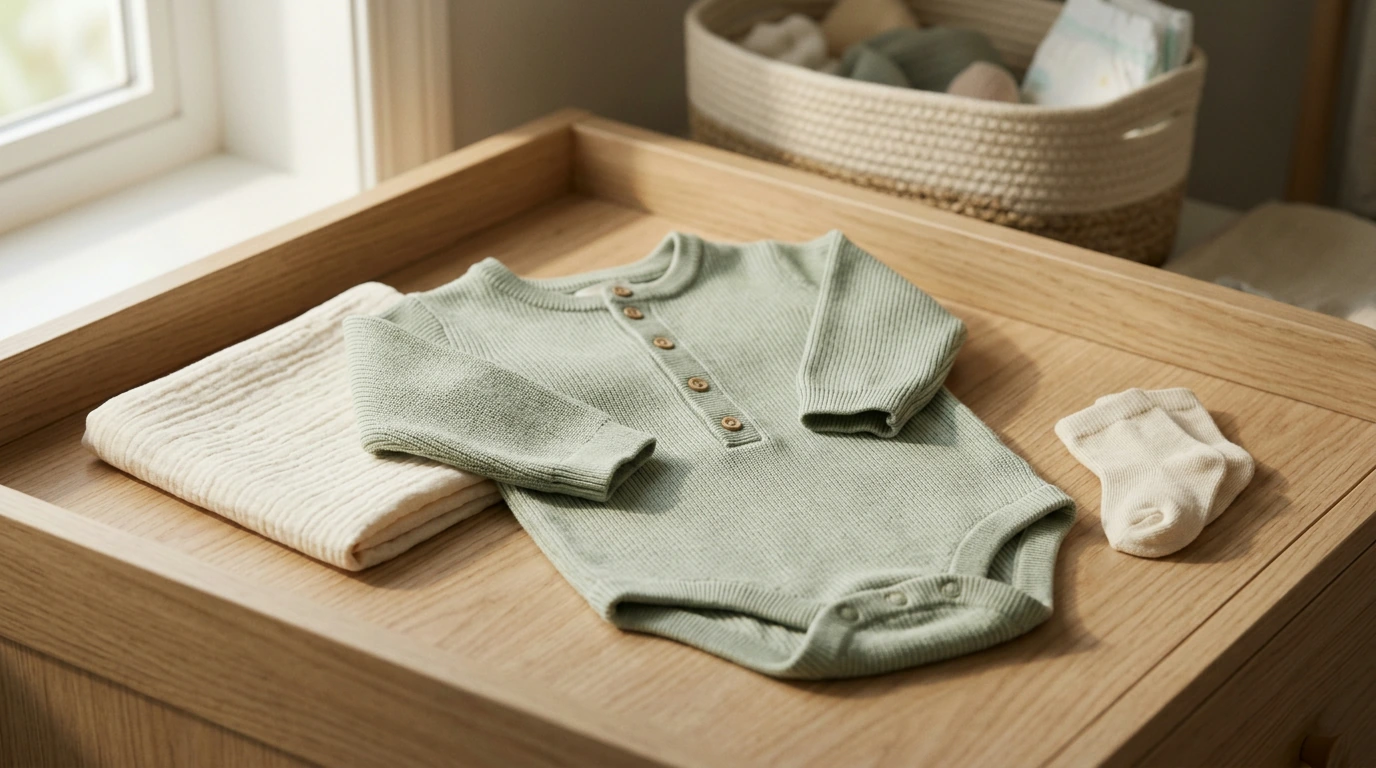
Newborn Baby Girls Cotton Knitted Long Sleeve Bodysuit Romper
A soft long-sleeve romper can simplify newborn dressing: one cozy layer, gentle stretch, and easy access for quick changes. Cotton knits are especially popular for everyday wear because they feel comfortable against delicate skin and flex with all the tiny stretches, curls, and kicks that happen throughout the day. Below you’ll find a practical guide to fabric feel, comfort features, sizing, care, and when a knitted cotton bodysuit is the most useful choice for newborn life.
What Makes a Knitted Cotton Romper a Go-To Newborn Layer
Newborn outfits work best when they’re simple, soft, and adaptable. A knitted cotton romper checks those boxes while still looking put-together for photos, visitors, or a quick run out the door.
- Breathable warmth: Knitted cotton offers natural airflow while still feeling warm enough for cooler rooms and stroller outings.
- Coverage that stays put: A bodysuit-romper silhouette helps keep baby’s midsection covered when being held, fed, or swaddled.
- Long sleeves, fewer add-ons: Sleeves can reduce the need for extra layers during naps or in air-conditioned spaces.
- Gentle stretch: Knit construction supports natural movement without feeling restrictive or stiff.
Comfort Details to Look For
Small construction details can make a big difference—especially when a newborn is wearing something for several hours at a time.
- Skin-friendly seams: Smoother inner stitching helps reduce rubbing around the neck, underarms, and diaper line.
- Gentle closures: Snaps or easy fasteners speed up diaper changes and can minimize fuss during nighttime changes.
- Easy-on neckline: A well-designed neck opening helps avoid pulling fabric over the face longer than necessary.
- Soft cuffs and leg openings: Lightly elastic edges help keep sleeves in place without leaving marks.
Newborn Comfort Checklist
| Feature | Why it matters | Quick check before buying |
|---|---|---|
| Breathable cotton knit | Helps regulate temperature and reduces clamminess | Fabric feels soft and not plasticky |
| Easy diaper access | Faster changes, less disruption | Snaps/closure aligns with diaper area |
| Soft seams and tags | Less irritation on delicate skin | No scratchy labels or rough stitching |
| Flexible fit | Allows kicking and curling without bunching | Fabric stretches and returns to shape |
Sizing and Fit for Newborns
Newborn sizing can be surprisingly inconsistent between brands, so it helps to think in terms of your baby’s current measurements and how you plan to use the outfit.
- Start with weight and length: Some babies outgrow “newborn” quickly, while others stay in it longer.
- Look for torso comfort: A good fit usually allows about two fingers of room in the torso while still keeping the diaper area secure.
- Check sleeves and neckline: Slightly long sleeves are usually fine; tight arms or a pulling neckline often means it’s time to size up.
- Plan for layering: If you’ll add a onesie or thin layer underneath, consider a little extra room through the chest and hips.
When to Use a Long-Sleeve Bodysuit Romper (and When to Switch Layers)
A long-sleeve romper is a versatile “middle ground” piece—more coverage than a short-sleeve bodysuit, but lighter and less bulky than multi-layer outfits.
- Great for: Cooler indoor temperatures, early morning/evening walks, and as a base layer under a sleep sack.
- Switch to lighter layers if: Baby feels sweaty at the back of the neck or chest, or the room stays consistently warm.
- For sleep: Prioritize safe sleep guidance—avoid overheating and skip extra blankets; adjust clothing layers instead. For reference, see the American Academy of Pediatrics safe sleep recommendations.
- For outings: Pair with socks/booties and a hat when needed, then remove layers as temperatures change.
Care and Washing Tips for Cotton Knits
Cotton knits can stay soft and comfortable with a few simple routines—especially helpful during the heavy-laundry newborn phase.
If you’re building a consistent hygiene routine, general laundry guidance from the CDC can be helpful for everyday best practices.
A Simple Everyday Outfit Formula
As your baby becomes more wiggly, it’s also worth reviewing general clothing safety basics (like avoiding loose strings) from the CPSC’s children’s clothing safety guidance.
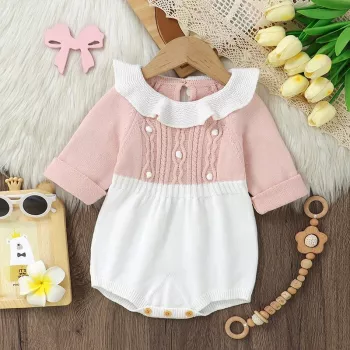
Product Spotlight: Newborn Baby Girls Cotton Knitted Long Sleeve Bodysuit Romper
If you’re looking for a simple, cozy staple for everyday wear, the Newborn Baby Girls Cotton Knitted Long Sleeve Bodysuit Romper is designed to function as a single-piece outfit that’s easy to coordinate and practical for frequent changes. The cotton knit feel supports comfort across a range of everyday indoor temperatures, while long sleeves add warmth without requiring multiple bulky layers.
For gifting moments—like a baby shower add-on or a “welcome home” gesture—pairing a practical clothing essential with a small keepsake can feel thoughtful without being complicated. A simple accessory like Personalized Gold-Plated Alphabet Rings can complement a newborn gift bundle nicely.
At-a-Glance Details
| Item | Details |
|---|---|
| Product | Newborn Baby Girls Cotton Knitted Long Sleeve Bodysuit Romper |
| Price | 15.51 USD |
| Availability | In stock |
| Where to find it | Ruleno product page |
FAQ
Is cotton knit safe and comfortable for a newborn’s sensitive skin?
Cotton knit is typically breathable and soft, which can help keep a newborn comfortable. Wash before first wear with a gentle detergent and avoid heavy fragrances; if irritation persists, check with a pediatrician.
How many long-sleeve rompers does a newborn need?
A practical range is often 4–8 long-sleeve rompers, depending on how often you do laundry and how frequently spit-up or diaper leaks happen. Having an extra one for nighttime changes and one for the diaper bag can prevent last-minute outfit shortages.
How can overheating be avoided when using a long-sleeve romper?
Use the room temperature as a cue and check the back of your baby’s neck or chest for sweat rather than relying on cool hands or feet. For sleep, adjust layers and use a sleep sack instead of adding blankets.










Leave a comment