Vision Boards That Work: Turn Goals Into Weekly Actions
From Imagination to Action: Using Vision Boards for Personal Growth and Goal Achievement
A vision board works best when it bridges inspiration and execution: clear goals, vivid cues, and a simple system for turning images into weekly actions. The point isn’t to “wish harder”—it’s to make the direction of your life easier to see, and the next step easier to take. Below is a practical way to choose a focus, build a board that stays motivating, and pair it with routines that create real progress.
What a vision board is (and what it is not)
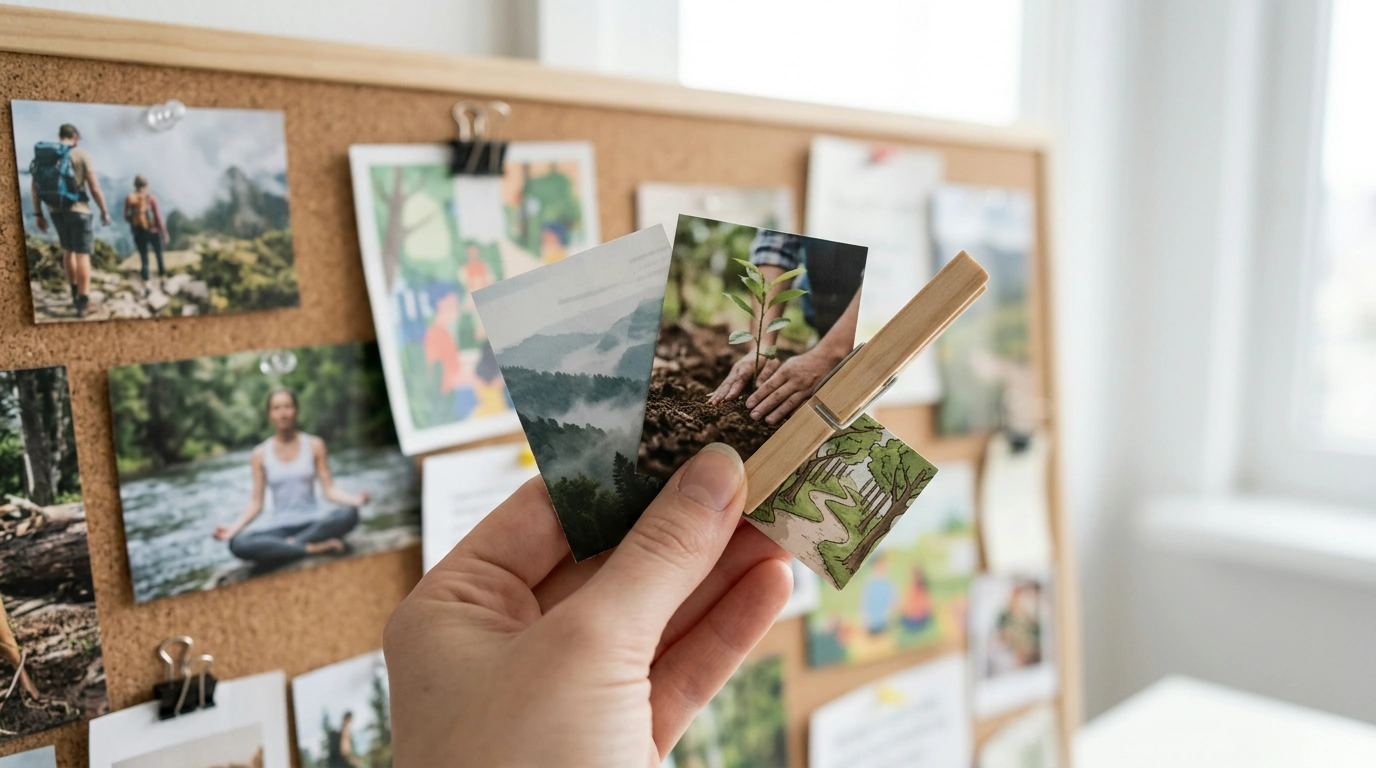
A vision board is a visual tool that highlights priorities through images, words, and symbols tied to specific outcomes. It’s most effective when paired with concrete plans, deadlines, and feedback loops—not passive wishing. When your goals stay top-of-mind, you’re more likely to notice opportunities, follow through on commitments, and make small daily choices that align with what you want.
Vision boards tend to shine with goals that involve identity shifts, habit change, confidence-building, or long timelines—career growth, health routines, skill-building, lifestyle upgrades, and creative projects. For a grounding perspective on turning goals into real behavior, the American Psychological Association emphasizes clarity, planning, and accountability as key ingredients of follow-through (APA goal-setting guidance).
Start with clarity: pick a theme and define success
One board can hold many dreams, but progress usually comes from focus. Choose one primary theme—health, career pivot, relationships, finances, creativity, self-care, or home—so your board doesn’t become a wall of competing priorities.
- Write 3–7 outcomes in plain language and make them measurable when possible: “Run a 5K by October,” “Save $2,000,” “Apply to 12 roles,” “Practice guitar 90 minutes/week.”
- Add an identity statement that supports the goal: “I’m a consistent learner,” “I’m a calm communicator,” or “I keep promises to myself.”
- Name constraints and resources: available time blocks, budget, support network, and tools you already have.
- Select 1–2 keystone habits that make everything else easier (sleep routine, weekly planning, daily movement, a deep work block).
This clarity step matters because it turns a collage into a decision-making filter: “Does today’s action match my board?”
Build the board: materials, layout, and cue design
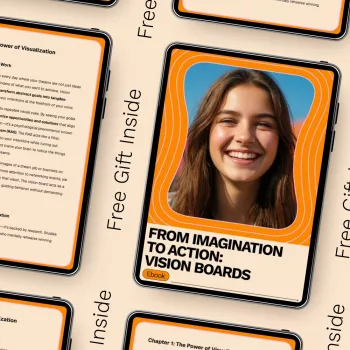
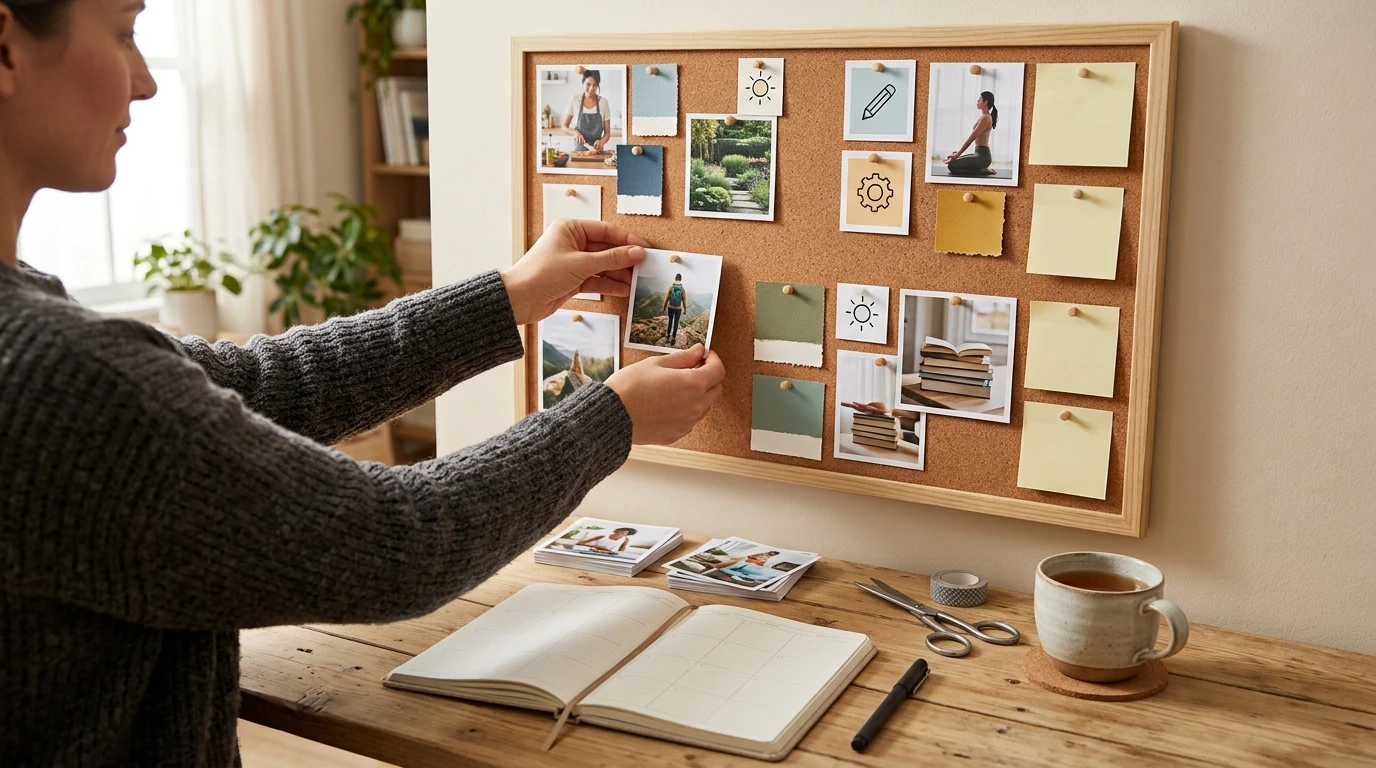
Pick a format you’ll actually see. A corkboard near your desk beats a gorgeous poster that lives in a closet. Options include a physical board, a notebook spread, a phone lock screen, or a digital canvas.
If you want a structured, step-by-step approach that connects vision to weekly execution, consider From Imagination to Action: Vision Boards – The Ultimate Guide to Using Vision Boards Effectively for Personal Growth and Goal Achievement.
Turn visuals into action: a simple execution system
- Implementation intentions: pre-decide when you’ll act: “If it’s 7:00 AM, then I do a 10-minute workout.” Research by Peter Gollwitzer shows these if-then plans can meaningfully increase follow-through (Gollwitzer, 1999).
- WOOP thinking: identify obstacles before they surprise you (Wish, Outcome, Obstacle, Plan). Gabriele Oettingen’s work highlights that pairing positive outcomes with realistic obstacles improves commitment and action (Oettingen, 2014).
- Weekly review: choose the top 3 actions that move the board forward and schedule them like appointments.
- Track a few metrics: minutes practiced, workouts completed, applications sent, pages written—just enough to see progress.
From image to outcome: converting a vision board into weekly actions
| Vision cue | Outcome | Next action (15–60 min) | Obstacle | If-then plan | Weekly metric |
|---|---|---|---|---|---|
| Running shoes photo | Run a 5K comfortably | 20-minute run/walk session | Bad weather | If it rains, then treadmill or indoor circuit | 2–3 sessions/week |
| Open laptop + resume headline | Land a new role | Update 1 resume section + 1 job application | Procrastination | If stuck, then set 10-minute timer and start with bullet points | 3 applications/week |
| Guitar on a stand | Play 5 songs confidently | Practice chord changes for 20 minutes | Low energy | If tired, then practice 5 minutes only (minimum viable) | 90 minutes/week |
| Savings jar icon | Build emergency fund | Automate transfer + review expenses for 20 minutes | Impulse spending | If tempted, then wait 24 hours and compare to goal | $ saved/week |
| Meditation symbol | Feel calmer daily | 5-minute breathing practice | Forgetting | If coffee starts, then do breathing first | 5 days/week |
Placement and routines: make the board unavoidable
Common mistakes that stall progress (and quick fixes)
Using a structured guide to accelerate results
- From Imagination to Action: Vision Boards – The Ultimate Guide for a focused vision-board-to-action workflow.
- AI-Powered Products Made Simple: The Ultimate Guide on How to Use ChatGPT to Create Digital Products, eBooks, Checklists, and More if your board includes building a digital project and you want a clearer creation plan.
FAQ
Do vision boards actually work?
They work best as attention and motivation tools when combined with specific goals, a plan, and consistent routines. Pairing your board with if-then plans and weekly scheduling turns inspiration into repeatable action.
How often should a vision board be updated?
Do a quick weekly check-in to keep it actionable, and refresh it every 1–3 months or whenever your goals change. Update images when they stop feeling relevant or once you hit a milestone.
Should a vision board be digital or physical?
Choose the format you’ll see daily: physical boards provide tactile, environment-based cues, while digital boards are portable and easy to edit. Many people use both—a physical board at home and a phone lock screen for daily reinforcement.






Leave a comment