Women’s Weight Loss Bundle: Protein, Fiber & Meal Prep
Women’s Weight Loss Diet Guide Bundle: The Best Diet for Weight Loss for Female
Sustainable weight loss for women works best when the plan fits real life: steady energy, satisfying meals, and clear steps that don’t rely on perfection. Our Women’s Weight Loss Diet Guide Bundle is built to help you create a repeatable routine—so progress comes from consistency, not extremes. You’ll use this approach to set a practical calorie target, prioritize protein and fiber, manage cravings, and build meals that support hormone-friendly habits, training, and recovery.
What “the best diet” means for female weight loss
“Best” doesn’t mean most restrictive. The best diet is the one that creates a modest calorie deficit while keeping hunger, stress, and energy manageable—so you can stick with it long enough for results to compound.
- A strong foundation looks like higher protein, high-volume fiber foods, and adequate healthy fats to keep meals satisfying.
- Meal timing matters less than total intake, but steady patterns often reduce snacking and late-night overeating.
- Real progress usually shows up as stable energy, improved appetite control, and a downward trend over weeks—not daily scale swings.
If you want broader nutrition standards to anchor your choices, the Dietary Guidelines for Americans (2020–2025) and the CDC’s Healthy Weight resources are solid references.
Who this bundle is designed for
- Women who want structure without cutting entire food groups or doing crash diets.
- Busy schedules that need meal prep, quick grocery lists, and repeatable “default meals.”
- Plateaued dieters who need a reset on portions, protein intake, and consistency instead of another complicated program.
- Women balancing strength training, walking, or cardio who want nutrition that supports recovery while leaning out.
Core principles to follow day-to-day
Your day-to-day should feel simple enough to repeat. Our team recommends focusing on a few high-impact levers:
- Protein first: include a protein source at breakfast, lunch, and dinner to support satiety and muscle retention.
- Fiber for volume: vegetables, fruit, beans, and whole grains improve fullness for fewer calories.
- Fats, measured: olive oil, nuts, avocado, and fatty fish support health, but portions matter to prevent “accidental” calorie creep.
- Carbs matched to activity: keep carbs higher around training and slightly lower on lighter days if appetite is easier to manage.
- Cravings planned (not banned): controlled portions of favorite foods keep the plan livable.
Simple meal-building formula
| Meal part | What to include | Examples |
|---|---|---|
| Protein (anchor) | 20–40g depending on meal | Eggs/egg whites, Greek yogurt, chicken, tuna, tofu, lean beef, protein shake |
| Fiber/volume | At least 1–2 cups produce | Salad mix, broccoli, berries, apples, peppers, tomatoes, frozen veg blends |
| Smart carbs (as needed) | 1 portion matched to activity | Oats, rice, potatoes, quinoa, beans, whole-grain wraps |
| Healthy fats (measured) | 1–2 thumbs worth | Olive oil, nuts, seeds, avocado, salmon |
| Flavor & compliance | Make it enjoyable | Salsa, spices, sauces in measured servings, pickles, herbs, citrus |
How to set a calorie target without obsessing
Extreme cuts often backfire through hunger, fatigue, and rebound eating. Instead, start with a moderate deficit and track what actually predicts progress.
- Use weekly trends: weight can jump from salt, cycle shifts, travel, or hard workouts. Look at 2–4 weeks.
- Adjust in small steps: reduce 100–200 calories/day or add 1,500–3,000 steps/day before making major changes.
- Keep protein steady: when calories change, protein helps preserve lean mass and keeps meals filling.
Checkpoint schedule for steady progress
| Timeframe | What to track | What to change (if needed) |
|---|---|---|
| Daily | Protein hits, steps, water, sleep | Fix the easiest lever first (sleep or steps) |
| Weekly | Average weight + waist/hip measure | Tighten portions or add activity if trend stalls |
| 2–4 weeks | Progress photos (optional), strength levels, hunger | Make a small calorie/steps adjustment—avoid drastic cuts |
Meal planning that actually holds up on busy weeks
When life gets hectic, the goal is to protect the basics—protein, fiber, and predictable portions—without turning meals into a project.
- Pick 2–3 default breakfasts and rotate them to reduce decision fatigue.
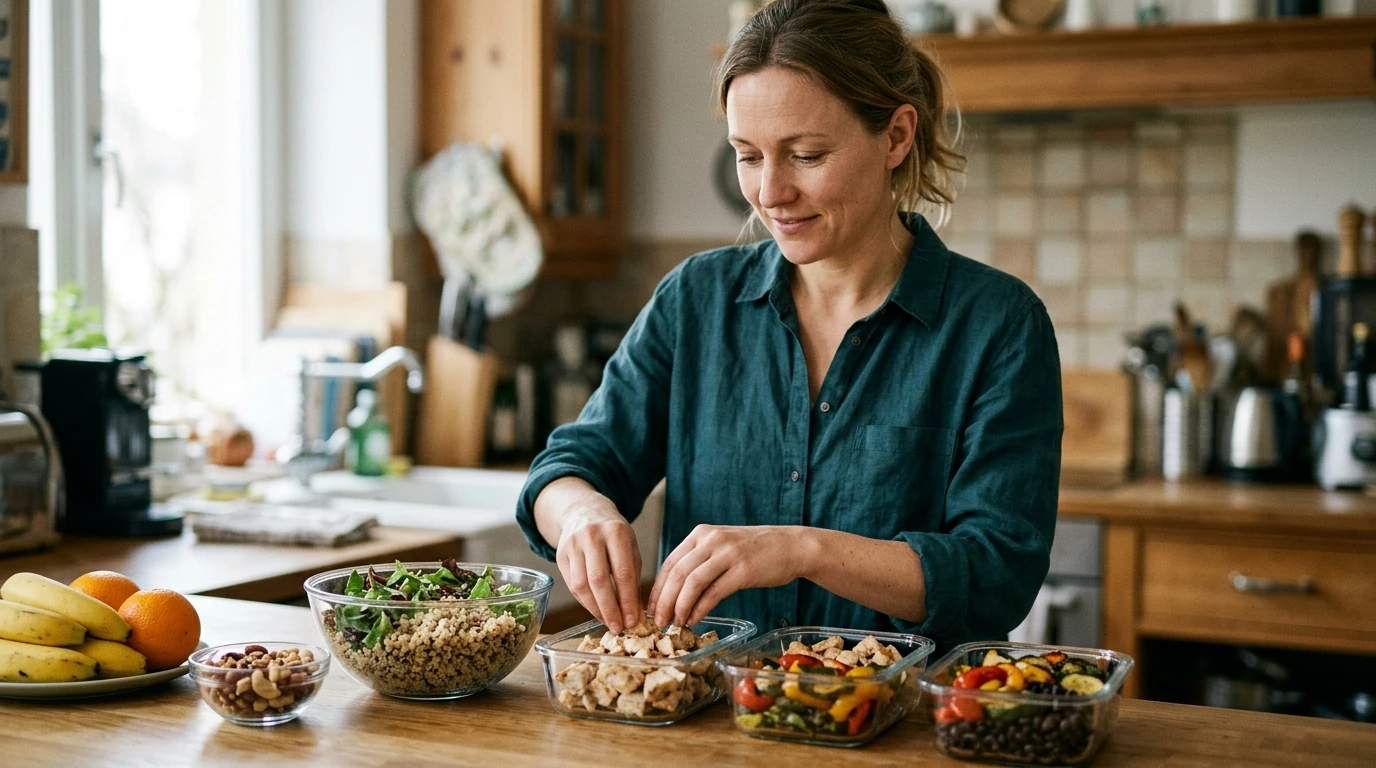
- Batch-cook proteins and build fast bowls and wraps during the week.
- Lean on frozen vegetables and bagged salads for speed with high nutrition.
- Create a snack plan: protein + fiber (or protein + fruit) beats grazing.
- Keep “emergency meals” stocked: canned fish, microwavable rice, frozen veg, pre-cooked chicken, yogurt.
Training and recovery support (without turning food into a punishment)
How to use the Women’s Weight Loss Diet Guide Bundle week by week
Recommended tools from our store
- Women’s Weight Loss Diet Guide Bundle – The Best Diet for Weight Loss for Female
- Smart Eating in Pricey Places – Travel Food Budget Guide (helpful if travel, restaurants, and “off-plan” days are where your calories leak)
When to pause and get extra support
FAQ
What is the best diet for weight loss for female?
The best diet is the one you can follow consistently: a modest calorie deficit built on higher protein, high-fiber foods, and measured fats so you stay satisfied. Focus on weekly trends and routines that fit your schedule instead of extreme restriction.
How fast can women lose weight safely?
A common conservative range is about 0.5–1% of body weight per week, but progress varies by starting point, stress, sleep, and training. Use 2–4 week trends to guide small adjustments rather than reacting to daily scale changes.
Do women need to cut carbs to lose weight?
No—carbs are optional, not forbidden; fat loss comes from a calorie deficit and adherence over time. Many women do best using carbs strategically around workouts and choosing portions that support appetite control.









Leave a comment